|
 |
|
[ East Bay | Metroactive ]
The wandering burro takes over the world, delectably.
The Mystery of the Burrito
Unwrap the riddle of a truly American concoction
By Sean Finney
The restaurants of Paris . . . a group of Berkeley students, and what reports reach the ear of your intrepid reporter sweating it out in Oakland? Not grunts of satisfaction and the sighs of those who reach undreamed of plateaus of gustatory pleasure, but fickle complaints and narrow longings: "I need pizza, I want tofu," but above all the leitmotif of the hungry young American, "I miss burritos."
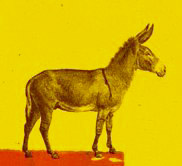
The burrito, like some hardy invasive species, has colonized the stomachs of young Americans to such an extent that white kids in the gastronomic center of Europe can't shut up about how much they miss the little donkey (the little burro). Yet in what we imagine is the burrito's homeland -- Mexico -- you'll search a lot of menus in vain. Like Buddhism in India and Christianity in the Middle East, what has taken root abroad has nearly disappeared at home. Where did Mexico's burrito go?
The shroud, the opaque casing that holds this nutritious bundle together shows up in green and orange in more inventive eateries but the primary ingredient is flour. To make flour you need wheat, a crop that ultimately comes from the Middle East, whereas corn, the basis of dyed yellow taco shells and smaller round tortillas, is a product of the Americas. Corn is integral to many Mexican dishes, but flour, according to Antonio Vasquez, owner of Oakland's Jalisco Restaurant, "is just used in breads and pastries." And the flour tortilla is the exception rather than the rule in Mexico. Only where it is present, mostly in the North, are burritos even possible.
Social convention also does much to keep the burrito off Mexican menus. "Burritos are leftover tacos," says Efren Carrillo, a Berkeley student and former resident of Mexico City. "My mom made her own flour tortillas and wrapped up a portable snack of rice, beans, and meat. But if you go to a restaurant, you eat tacos."
These answers all make sense but fail to satisfy on the visceral level that a burrito, so simple and yet sublime, demands. What's needed is a creation story that explains the origin, wanderings, and exile of the coveted bundle. To say that an apocryphal miner kept demanding larger and larger tortillas sounds suspiciously like the story of the potato chip, which is rumored to be born from the repeated demands of a diner for thinner fried potatoes. Most likely there is no culture hero behind the burrito's staggering rise. Rather, the spread of a crop from the old world and human needs for sustenance, portability, and emptying the larder evolved this most Californian of foods.
The people of the United States have morphed pizza, sandwiches, and frankfurters, but they may have come up with the burrito themselves, or at least made it their own. u
[ East Bay | Metroactive | Archives ]
Copyright 1994-2025 Weeklys. This page is part of Metro Silicon Valley's historical archive and is no longer updated. It may contain outdated information or links. For currently information, please go to MetroSiliconValley.com home page, e-edition or events calendar.
|
![[whitespace]](/gifs/whiteline2.gif) |