
I. Historia
Cumbia, a genre with folkloric roots, has taken hold of the Bay Area’s Latine musical landscape. Originally transported and sustained by working-class immigrant communities, its cool factor and reach skyrocketed when younger musicians made it their own, as experimental producers reworked it into club-centric music.
Emerging from the coasts of Colombia, it weaves together African rhythms, indigenous melodies and Spanish influences, creating an accessible sound centered on accordion, drums and the guacharaca, a traditional percussion instrument that makes a distinctive scratching sound.
Cumbia’s origins trace back to the Caribbean coast, particularly regions like the Magdalena River delta, where Africans, indigenous peoples and colonizers from the Iberian Peninsula intermixed. In the 19th and early 20th centuries, it evolved as a courtship dance and folk music, often performed at rural gatherings. By the mid-20th century, cumbia gained national prominence in Colombia through bands with more structured arrangements, but its true global great leap came through migration and adaptation about a decade or so later.
When cumbia reached Peru in the 1960s and 1970s, it absorbed psychedelic elements like fuzzy guitars, reverb, and even surf-rock influences, birthing what is known as Peruvian cumbia or chicha. Groups like Los Destellos and Los Wemblers de Iquitos pioneered this sound, blending tropical rhythms with electric touches that echoed the era’s rock experimentation.
As it snowballed through Panama, it picked up reggae and calypso elements. By the time it reached Chile and Argentina, local folk traditions like chamamé – polka-like accordion drives – were incorporated, becoming a regional hybrid that emphasized storytelling with real emotional depth.
Across Latin America today, no musical style is as widespread or unifying. Cumbia soundtracks celebrations, protests, everyday life, and even political movements, from street parties in Bogotá to massive festivals in Buenos Aires. The beat, typically in 2/4 time, invites easy participation, making it a truly democratizing sound.
II. A Musical Journey
Cumbia’s journey to the Bay Area is one of resilience, carried by waves of immigrants seeking new opportunities. When it crossed into Mexico in the mid-20th century, it sank into slower, hypnotic “sonidera” rhythms — named after the powerful sound systems (“sonidos”) used by DJs in working-class neighborhoods of Mexico City and Monterrey.
These sonidos, not unlike the Jamaican Sound System era of the 1960s, layered personal dedications to family members, hometowns, or loved ones lost, over isolated portions of the music. Younger musicians then added new flourishes like synthesizers, electronic effects and heavy reverb.
The Mexican variation, often called cumbia sonidera or rebajada (“slowed-down”), emerged prominently in Monterrey, where upbeat Colombian tracks turned into languid grooves. This style birthed unique dances like the gavilán, where dancers hunch low with arms spread wide.
Cumbia arrived in California with waves of Mexican immigrants, many of whom eventually rooted communities in San Jose’s East Side neighborhoods. Today, the city’s Latine population hovers around 30%, with Mexicans forming the overwhelming majority, around 82%. This positions San Jose as a key hub for Mexican Americans in Northern California, reflecting deep historical and ongoing ties.
Large-scale migration accelerated in the 20th century with the Bracero Program, which recruited millions of laborers for U.S. farms and railroads, many settling in California’s agricultural heartlands and orchards, which became Silicon Valley. Post-1965 immigration reforms enabled family reunification, with many drawn to construction, service, and manufacturing jobs amid the tech boom.
East San Jose neighborhoods, such as Alum Rock, for example, and areas around King and Story Road, have long become vibrant Mexican-majority enclaves. These communities, built by farmworkers and cannery laborers, faced challenges like underinvestment but responded with resilience.
Community spaces like the Mexican Heritage Plaza, which opened in 1999 is a landmark symbolizing this legacy, serving as a cultural hub with a 500-seat theater, gardens, classrooms, and events celebrating Mexican-American heritage through art, dance, music, and education. Operated by the School of Arts and Culture, it hosts gatherings and festivals where cumbia has often been the leading soundtrack.
Mexican immigrants and their descendants have profoundly shaped San Jose beyond culture, forming the backbone of essential businesses and cultural industries. In these spaces, cumbia has often been a connector, bridging the old with the new. The genre clearly evokes nostalgia for hometowns in states like Puebla or Jalisco, while its adaptable nature has allowed fusion with local influences like Bay Area rap and lowrider culture.
III. Turbo Speed
Enter Turbo Sonidero — born Roman Zepeda — a San Jose native whose upbringing inherently captures the genre’s openness to regionalism and fusion. Raised on his parents’ record collection of classic cumbia and oldies, Zepeda began experimenting in 2008 by splicing traditional cumbia with rap and electronic edges into what he calls Kumbia Obscura, a dark, at times futuristic twist that has since become his signature sound. Layers of sinister synths and worldly samples, atmospheric sounds over slowed, patient rhythms. A truly shadowy, cinematic take on the genre before others even dared.
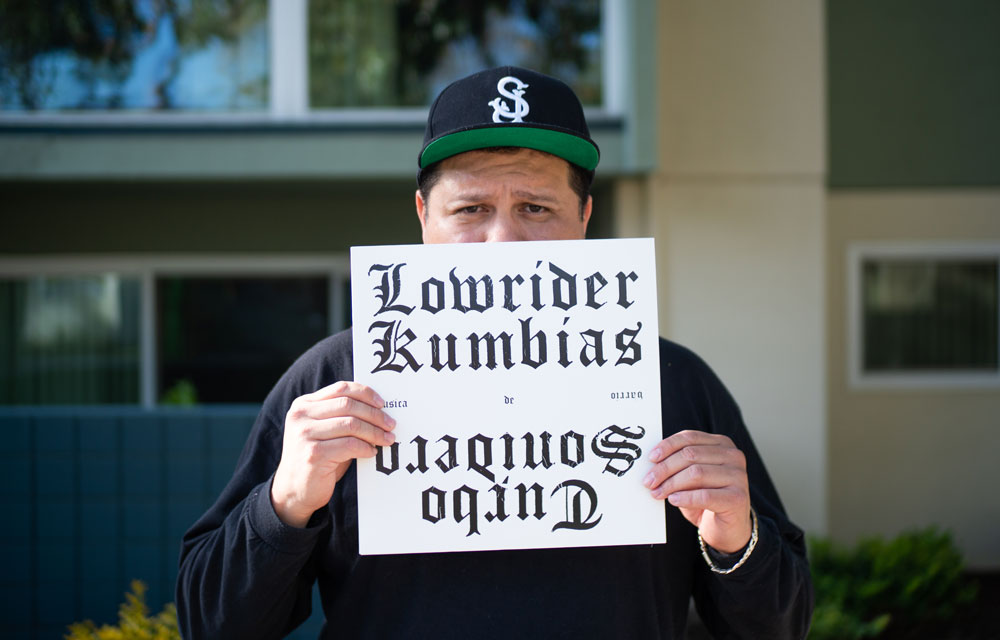
“Cumbia’s my life,” he says, explaining: “I’m a product of two worlds: the Bay Area underground hip-hop scene and the Sonidero tradition of my parents’ hometowns in Puebla and Neza, Mexico.” Zepeda traces his production roots back further, to 1996, when he first heard DJ Shadow, a worldwide production legend with early roots in San Jose, late at night on MTV. Inspired by an eclectic, sample-heavy sound, Zepeda made beats for a decade but was initially hesitant to release his work publicly.
“That’s when I stopped just making beats and started making actual cumbia tracks, blending my rap aesthetic roots to create Kumbia Obscura. From then on, cumbia wasn’t just music anymore,” he reflects.
His early MySpace page in the aughts evolved into Sonido Clash, a collective he co-founded that became a crucial experimental practice ground. Launched in 2009 (with roots in earlier collaborations), Sonido Clash grew from local parties into a cultural force, hosting events that blended cumbia with Spanish rock, punk, and rap into a distinct, diaspora-driven sound.
It gained national recognition through partnerships with organizations like the National Association of Latino Arts and Culture Conference in 2010 and has since curated stages at festivals like San Jose Jazz Summer Fest and internationally. The collective has presented artists such as Helado Negro, Ana Tijoux, Kumbia Queers, and Combo Chimbita, expanding its reach across the U.S. and internationally.
Zepeda also co-founded Grupo Jejeje and amplified his influence through Kumbia Net, leading to world tours, features in prominent publications like The New Yorker and performances at festivals in Germany and Spain, eventually even coming full circle to Colombia. He runs an independent label, Discos Piramide, dedicated to releasing Kumbia Net artists on cassette and vinyl, championing emerging talent from Mexico and the diaspora.
“Looking back, it’s wild to see how the seeds we planted in East Side San Jose have branched out globally,’ says Zepeda. “It has definitely been an uphill battle, as we had to create our own scene from scratch. From the first time MexTape invited me to play at Debug back in 2009, later starting Sonido Clash to create a space to play, founding Kumbia Obscura to foster producers worldwide, and later launching Discos Piramide to release this specific style of music on wax. We have been building this for over 15 years.”
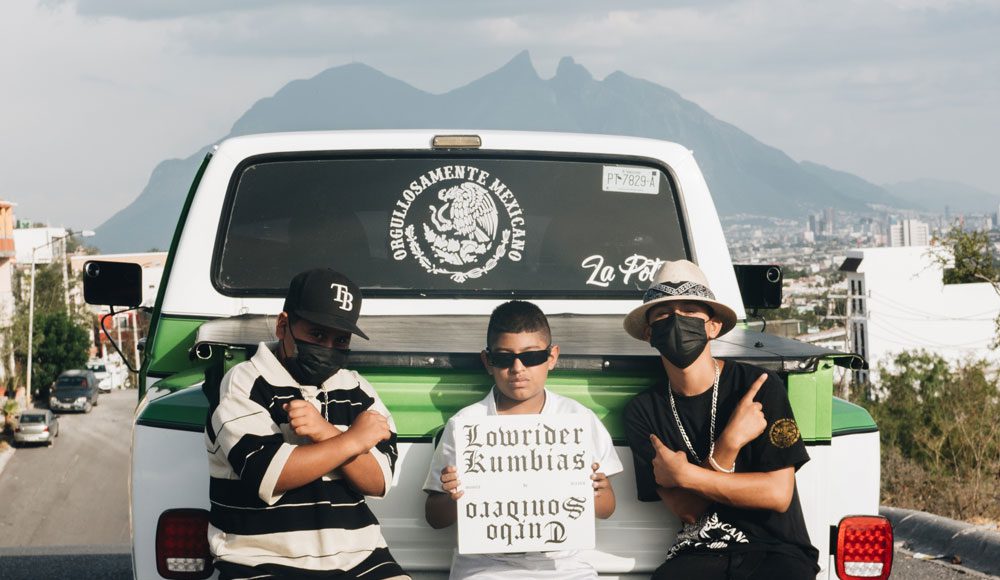
Releases since include compilations like Kumbia Net Vol. 3 (Rebajado Mixes), Sonidero Gold 2024, and his own projects such as Lowrider Kumbias, a tribute to East Side cruising culture featuring slowed-down oldie samples and earlier works like Turbo + Cumbia = Tumbia!, an early mashup project from 2008. Through these platforms, he amplifies voices often overlooked, including his own evolution from bedroom producer to more of a global ambassador role.
IV. Comunidad de Cumbia
Sonido Clash isn’t alone in fueling the Bay Area’s recent cumbia explosion. Other collectives have multiplied, inspiring offshoots that attract newer audiences and traditionalists alike, creating a thriving, interconnected scene.
Sonora San Jose, founded in San Jose, features musicians from diverse backgrounds. Led by director, percussionist, and singer Art Campos, the group delivers high-energy Colombian-style cumbia alongside salsa, cha-cha-cha, and merengue.
Salsa, cha-cha-cha, and merengue are, of course, all Latin partner dances: salsa with its syncopated steps and intricate turns; cha-cha-cha adds a playful, triple step (hence “cha-cha-cha”); and merengue’s fast marching rhythm with swaying hips.
Sonora San Jose’s album Hella Cumbia captures the Bay’s spirit, blending hits with originals like “No Vuelvo” and “Que Bonito.” They’ve performed at major events, from county fairs to Levi’s Stadium halftime.
Discos Resaca, a collective that traces the genre’s migratory paths across Latin America, with releases like Y Te Cuento, tell stories of the Bay’s Latine communities. Bandleader Ivan Flores incorporates accordion-driven narratives about loss, migration, and resilience. Their driving anthem, “Cumbiafornia,” released in late 2025, paid homage to California’s role in the genre’s evolution and was even performed at the Cumbia Festival in San Jacinto Bolivar, Colombia.
Other locals like Philthy Dronez highlight the scene’s fusion ethos. Dronez, born Mathew Gonzales, is an East San Jose-based artist who fuses traditional Latin songwriting with accordion, synths, finger drums, and backing tracks. A local mainstay who’s known for his distinct twists on West Coast cumbia.
Sonido Baylando hosts “Cumbia Town” at SF venues, turning spots into havens for enthusiasts old and new. Ritmos Tropicosmos, a seven-piece psychedelic cumbia troupe from Oakland, stands out with heavy tropical rhythms, live percussion, synths, and storytelling. Their sound bridges traditional cumbia with avant-garde, almost cosmic elements — think ‘70s horror film scores and eerie effects with a deliberately weird and cinematic feel.
They played an incredible set at the Levitt Pavilion this past summer and released their 2024 debut La Vida Es Pa’ Vivir on Oakland’s Econo Jam Records, with killer tracks exploring loss and the unknown. Emerging from the East Bay underground, blending noise, rock, and electronic influences, they’re clear standouts in the scene’s experimental wing.
Also from the East Bay is Discos Resaca, a family of Bay Area musicians known for their blend of traditional cumbias with hip-hop and oldies, honoring the band members’ familial histories with modern-day Bay Area musical eclecticism. Their first LP, Y Te Cuento, is 11 original songs with vocals by Las Mariposas del Alma, the Oakland-based Meza sisters who spearhead the troupe with uplifting harmonies.
Local South Bay spots like Club Caribe and Miami Beach Club now host weekly cumbia nights, drawing diverse crowds eager to hear it loud and live. Events like Fiebre de Cumbia’s monthly parties, including a packed New Year’s afterparty just weeks ago, underscore the momentum, with dance classes, live bands, and DJs creating inclusive spaces for all levels. Series like Cumbia en La Fruitvale in Oakland and CityDance San José further embed the genre in public life.
The pandemic of a few years ago, rather than halting the scene, amplified cumbia’s resurgence. Virtual streams and socially distanced events offered entry points for curious listeners, building community when in-person gatherings were limited. This paved the way for festivals, larger stages, and unexpected collaborations with non-Latin artists once the pandemic ran its course. You can now even catch cumbia-adjacent acts at venues like the SAP Center, blending it into the broader Bay Area music ecosystem.
V. Warp Speed Ahead
“We’ve carved out our own lane in the music world and now the Kumbia Obscura sound is worldwide and growing,” says Zepeda, who eventually moved to Puebla, Mexico, to immerse himself in cumbia’s musical history. “We have impacted the global cumbia scene; our sound is being embraced from Europe to Japan, and there are even parties using ‘Kumbia Obscura’ as their tagline. While San Jose is where the roots of this sound are, seeing younger generations take ownership of it and seeing it hit major festival stages worldwide is beautiful.”
Zepeda’s more recent work includes curating a Kumbia Net compilation for Roma Records in 2024 and being featured on Quantic’s iconic DJ-Kicks compilation that same year. His releases, like Lowrider Kumbias and various EPs on Discos Piramide, showcase his evolution from mash-ups to true original productions.
Up next, Zepeda has production on Lido Pimientas’ upcoming album, which includes a big feature with Nelly Furtado, as well as a new 45 en route with electronic Peruvian duo, Dengue, Dengue, Dengue. These international collaborations span labels in Spain, the UK, Italy, and elsewhere, reflecting not only Zepeda’s ascent but also cumbia’s borderless appeal.
San Jose’s cumbia scene has expanded with subversive artists like Turbo Sonidero, but also with a deep sense of local identity and pride — a reminder that important innovations here aren’t always found in tech.






I have come to love Cumbia music. This was a great read. I was on vacation in Italy and Austria last month and in both places I heard locals listening to cumbia many times especially in Italy.