
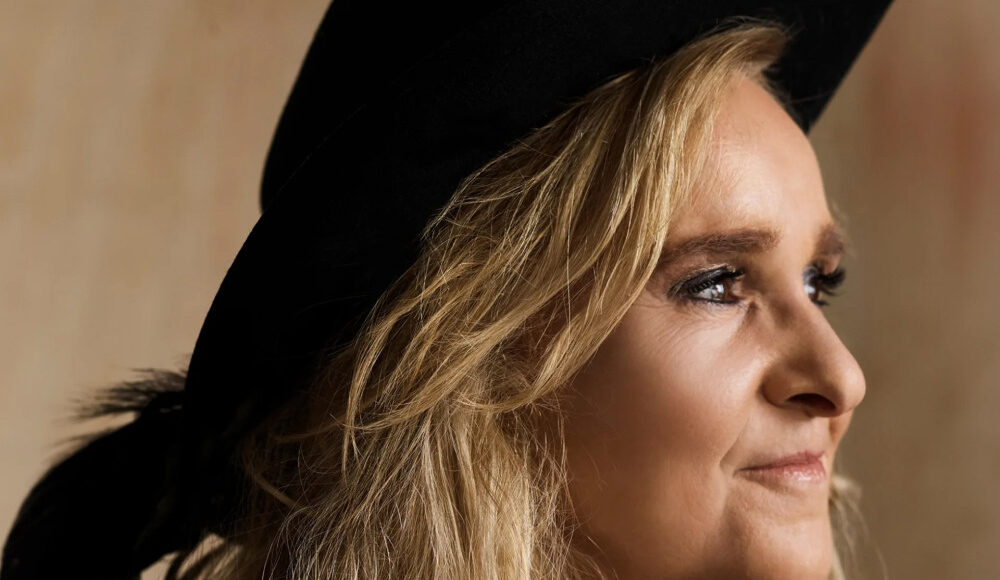
Melissa Etheridge is a survivor, an artist who extends the same bravery her songs often reveal. For starters, she came out publicly as a lesbian in 1993, a time when entertainers—and the world—were less open about such things. She then beat breast cancer and, most recently, lost a child to an opioid overdose. This survival and reclamation of self after trauma and tragedy is central to Rise, Etheridge’s latest album and first collection of new material since 2019’s The Medicine Show.
For the Kansas native, it was also a chance to get back to making the kind of songs she made in her late ’80s to mid ’90s heyday.
“When it comes to albums, every couple of years I would write an album that was a marker of where I was physically, emotionally, spiritually and as a woman and musician,” Etheridge said in an early March interview. “After Medicine Show, the events unrolled from losing my son to the pandemic, which was a big part of the whole thing. And then there was coming through all of that, doing a Broadway show about my life, writing a book and going deep into my life. I felt like I’d cleaned up everything in the past and it was time to talk about where I was right now.”
Helping with the heavy lifting was acclaimed producer Shooter Jennings, whom Etheridge found while researching for an ideal creative partner who would prioritize honoring her songs over pandering to social media algorithms. The quest initially took Etheridge to Music City, where she looked into getting Nashville’s celebrated record producer, Dave Cobb, to work on the album, but Cobb’s schedule was too full.
Jennings actually proved to be a better match, given that he had a studio setup in nearby Hollywood, CA, where Etheridge had recorded her sixth studio album back in the late ’90s. The geographic convenience meant Etheridge could quickly commute from home while using her own preferred studio musicians. Connecting with Jennings led to two weeks of live, in-studio jam sessions that formed the new album.
“When I met Shooter, I went to see him at his studio, and it’s at Sunset Sound,” she said, noting that the connection was perfect because she already had significant history with the studio. “I made Breakdown at the very same studio, and that really brought me back. Just meeting him was everything, from his heart and soul for music and inspiration from his father [country icon Waylon Jennings] to how much he loved his pop. We got along instantly with him and his wife. I don’t want to do albums with anybody else now. I just want to work with Shooter.”
The 11 songs Etheridge and Jennings made give off an old-school, outlaw country feel that goes far beyond what the modern country charts and airwaves are at the current moment. Highlights include the rollicking “Davina,” a combination of countrypolitan piano runs and rich harmonies. Also, the anthemic autobiographical opener “Bein’ Alive” and “The Other Side of Blue,” the latter of which Chris Stapleton, a standout musician in his own right, only wanted to be involved with as a co-writer—until Etheridge convinced him otherwise. “I told Chris the world needed to hear us sing together,” she said with a laugh.
With a mighty song catalog to draw from, Etheridge promises plenty of fireworks, old and new, when she returns to the stage. “As an artist, I understand that I’m going to be more accessible and better live—I just am,” she said.
“You’re going to hear your favorite songs. I’ve got five wonderful hit songs I love to share with everybody, so I’m going to do that. We’re going to pump our fists in the air to “I’m the Only One” and “Come to My Window.” And then you’re going to hear a good chunk of the new album. When I make a new album, I’ll play some new songs and tell people about them. If people hear it, then maybe they will go and check out the whole album. Then I’ll play a couple of really deep tracks from old albums, and then that’s the show, man. We’re going to rock your toes off.”
Melissa Etheridge plays the Mountain Winery on July 21st. mountainwinery.com/concert-series/