This article originally appeared in the American Prospect.
In progressive circles, there is a great fear about the consolidation of Hollywood and the broader media into the hands of allies of MAGA. ABC’s capitulation to Trump is well documented. Larry Ellison’s son David bought Paramount: Stephen Colbert was suddenly off the air, and Bari Weiss was running CBS News. Oracle, Ellison’s company, is the main benefactor of the still-pending TikTok acquisition from its Chinese parent. And Paramount made several overtures to Warner Bros. Discovery (WBD) to buy the company, consolidate its TV and film studios along with its array of cable channels under one roof, and put a conservative oligarch family in charge of CBS, CNN and a large segment of American entertainment and media.
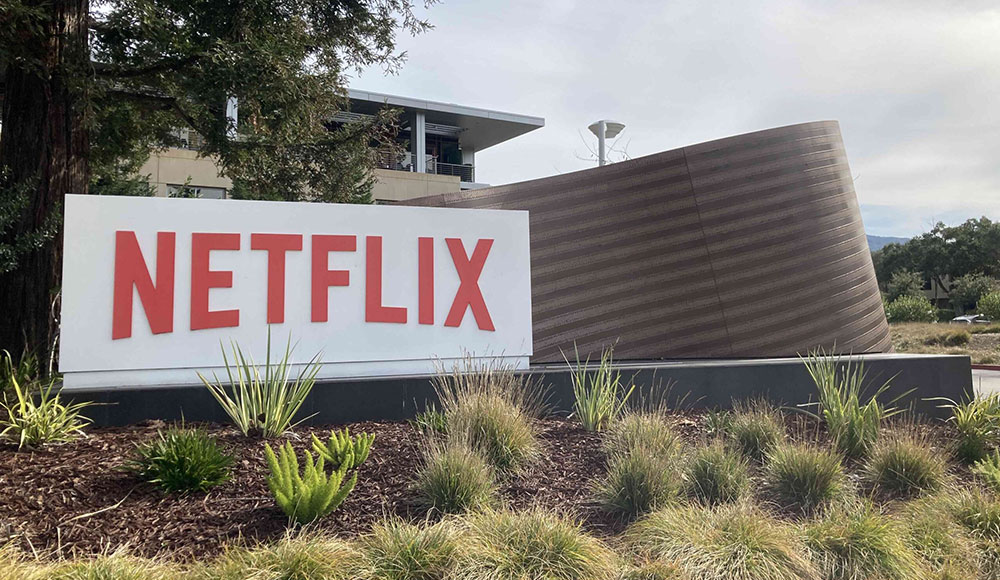
But WBD decided to look at other offers. And they chose the higher-value bid: an $82.7 billion merger with Netflix. At a glance, this might seem like a better deal than the Paramount-WBD proposal: Netflix’s leadership isn’t overtly conservative at all, and the deal is only for the WBD film and television studios, HBO, and the streaming site HBO Max. WBD announced earlier this year that it would spin off its cable networks into a separate company called Discovery Global, and while Paramount wanted to buy the cable networks too, Netflix isn’t interested in them. That means that CNN would be under the direction of a different corporate parent, along with the sports division that is in direct competition with Netflix’s emerging sports offerings. (HBO Max carries most of those Discovery Global cable offerings, and it’s unclear whether or how that will continue.)
Just because there is some relief that Paramount won’t be swallowing CNN and the rest of WBD, however, doesn’t make this a good deal for film and television talent, or for consumers. Netflix and HBO Max are the number one and number four streaming outlets globally; number three is an Indian streaming network called JioHotstar that is not available in the U.S. without a VPN. While the announcement claims that HBO Max will continue to operate (along with HBO and Warner Bros. studios), that is contradicted in the very next statement: “By adding the deep film and TV libraries and HBO and HBO Max programming, Netflix members will have even more high-quality titles from which to choose.”
If everything from HBO and HBO Max is porting over to Netflix, what point would there be for anyone to have both? It feels like the plan is to let HBO and its streaming channel wither on the vine. Netflix is claiming it will win billions in cost savings from the merger; you don’t get that without consolidating operations.
In addition, that large Warner Bros. film library would not be available to other streaming companies to license, giving Netflix a huge advantage.
While the announcement also promises that Netflix will be able to expand studio production, it’s hard to see why it would do so. Netflix is obtaining a giant library of Warner Bros. films (something touted in the announcement) and already produces/acquires a mountain of content every year. No Netflix user is upset about a lack of content on that channel. The more likely move is to keep steady or reduce film and TV production.
Even if not, one fewer bidder for the services of producers and actors and directors likely means lower rates of pay. There are a lot of resemblances between this deal and the Simon & Schuster/Penguin Random House attempted merger of a few years ago, which the Biden Justice Department successfully challenged on the basis that writers would get lower bids for their work.
Meanwhile, there’s already a lot of anger inside Hollywood about Netflix’s minimal theatrical window for films, with some runs as short as one week to qualify for the Academy Awards. Director James Cameron said last week that a Netflix acquisition of WBD would be “a disaster for cinema,” fundamentally changing moviegoing from a communal to a solitary activity. Other directors have anonymously echoed these comments.
Netflix says that it will continue to support Warner Bros. theatrical releases and “build on its strengths,” but Warner Bros. has been pushing its movies to HBO Max rather rapidly itself. Netflix as a company doesn’t believe in keeping films in theaters, despite the rhetoric. And as Matt Stoller points out, theaters are already dying and likely can’t survive if consolidation means fewer offerings.
The only part of the rationale Netflix gives for this merger that rings true is “More value for shareholders.” Fewer streaming options, or a streaming landscape where two of the three largest outlets have the same corporate parent, likely means a continuation of the price hikes that we’re already seeing. Meanwhile, fewer bidders will likely put downward pressure on contracts and rates. So Hollywood talent will be paid less and customers will pay more.
That feels pretty anti-competitive, and should draw a merger challenge. Netflix is likely going to follow the claims that Meta made in dodging a monopolization challenge: that it competes with a multitude of other claims on people’s time, from YouTube to social media. But this is ridiculous; the logical end point of that claim is that Netflix isn’t a monopoly because people can always shut their eyes and sleep. There’s clearly a market in paying a company a monthly fee to watch produced entertainment, and Netflix is consolidating it.
But what will the Trump administration do about it? There’s a distinct possibility that enforcers will do the right thing for the wrong reasons. There have been rumors for months about the White House putting pressure on WBD to merge with Paramount, even after the company rejected three offers from David Ellison to buy the company. Ellison has been saying that only Paramount could get their merger approved. Paramount has recently been calling the bidding process for WBD “unfair,” a very Trumpian tactic, and questioning whether shareholders are getting the best deal, an attempt to meddle with an approval vote. Paramount hired Trump’s first-term Antitrust Division head, Makan Delrahim, a signal that Paramount was best positioned to get a deal through.
If Team Trump tries to block the Netflix merger to put Paramount back in position for a purchase, that is not a welcome scenario. All the same problems of the Netflix-WBD merger would be present with Paramount, plus the ideological concerns for media since Paramount would likely want the cable networks, plus the impact of the rank politicization of antitrust to reward friends and punish enemies.
But there is a third way here. State attorneys general have every opportunity to sue to block a Netflix-WBD merger. Rob Bonta, the California attorney general who is contemplating a run for governor, is in prime position to protect the entertainment industry and streaming customers by doing so. Doing this would depoliticize a merger challenge away from the Trump administration and send a signal that the same scrutiny would be applied to any attempted Paramount merger as well.
The fourth way would be Warner Bros. deciding that the market for making movies and TV shows people want to watch can be a moneymaking operation. They have good brands, and ditching the low-performing cable channels sets them up in a better position. This isn’t happening, because “the financiers who run Hollywood simply don’t believe the movie business can offer the kind of returns they see their monopolist peers in tech getting,” as Stoller explained. “And they lack any capacity for creativity or leadership.” Indeed, David Zaslav, the WBD CEO, who ran his company into disaster and auctioned it off, would get $500 million after the merger. The payday matters more than the value of the business for workers or consumers.
The consolidation of Hollywood has been on the doorstep for a long time. Warner Bros. itself has gone through mergers with AT&T and then Discovery Networks, and both have failed. The public and its representatives don’t have to accept this again. They can prevent a consolidation that harms them in various ways. And they can force the executives in these companies to think past the short-term desires of Wall Street, and just make things people want to watch.
The American Prospect offers signups for its free newsletters at prospect.org/newsletter-sign-up and subscriptions to its print edition at prospect.org/subscribe.