
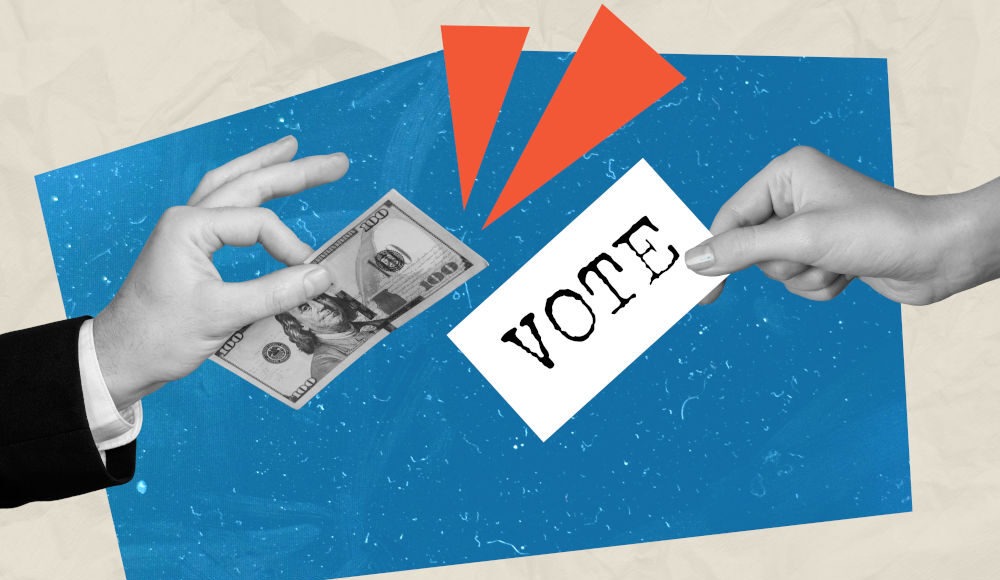
While big changes swept the nation, flipping control of both legislative bodies and providing a solid ass-whomping to an unpopular and weirdly booty-obsessed president, California and local voters hung with the status quo for the most part.
Barring any January 6-style surprises, it may slow the redevelopment of Washington, DC into a theme park of golf courses, gilded monuments and renamed buildings.
Much as expected, the California governor’s race was a slam dunk. The Associated Press called the race for Xavier Becerra the minute the polls closed, just as the first returns came in. Steve Hilton kept the race from being a total yawner with some clever AI-generated ads and pledges of $3 gas, as well as an end to annual $800 registration taxes for small businesses—promises he won’t have to keep.
An overwhelming majority of voters returned the local congressional delegation—Ro Khanna, Sam Liccardo, Zoe Lofgren and Jimmy Panetta—to Washington.
Local assemblymembers Ash Kalra, Alex Lee, Marc Berman, Patrick Ahrens, Gail Pellerin and Robert Rivas easily fended off challenges. Union City Councilmember Scott Sakakihara took a solid lead in the race for the State Senate District 10 seat that extends from southern Alameda County to East San Jose.
In the South Valley, incumbent John Varela bested former Gilroy city manager Jimmy Forbis to keep his Valley Water board seat.
To the north, former Los Altos mayor Pete Dailey ousted Rebecca Eisenberg, removing her from the Valley Water District. Eisenberg had been a contentious presence on the oversight body to the point where she had been extracted by security guards from a recent meeting.
In Santa Cruz, a lively race between Matt Mahan staffer Ryan Coonerty and former Metro staff writer Ami Chen Mills, who ran as a progressive, trended in Coonerty’s favor. Coonerty, the son of a former mayor and bookstore owner, is more friendly to downtown economic development, which includes dense housing reshaping the seaside community.
Santa Clara County voters supported initiatives to tax the rich, Propositions 3 and 40. They also supported continued funding for transit improvements, but the margin wasn’t huge, showing waning enthusiasm for big government spending projects.