This article was contributed by binance
On September 17, the SEC opened a five-year experiment that could bring parts of the U.S. stock market onto public blockchains. Its Innovation Exemption allows approved Tokenized Securities Venues to trade limited amounts of tokenized National Market System stocks through permissioned automated market makers. These are digital representations of listed shares rather than new companies or speculative tokens. Holders must receive the same rights as owners of the equivalent conventional shares, including voting rights and dividends. The SEC also requires public, auditable smart contracts and lets the underlying company object before an unaffiliated third party tokenizes its shares. The significance lies less in putting a stock certificate onchain than in what happens afterward. Trading, ownership records and settlement could start moving through infrastructure that crypto markets have spent years developing.
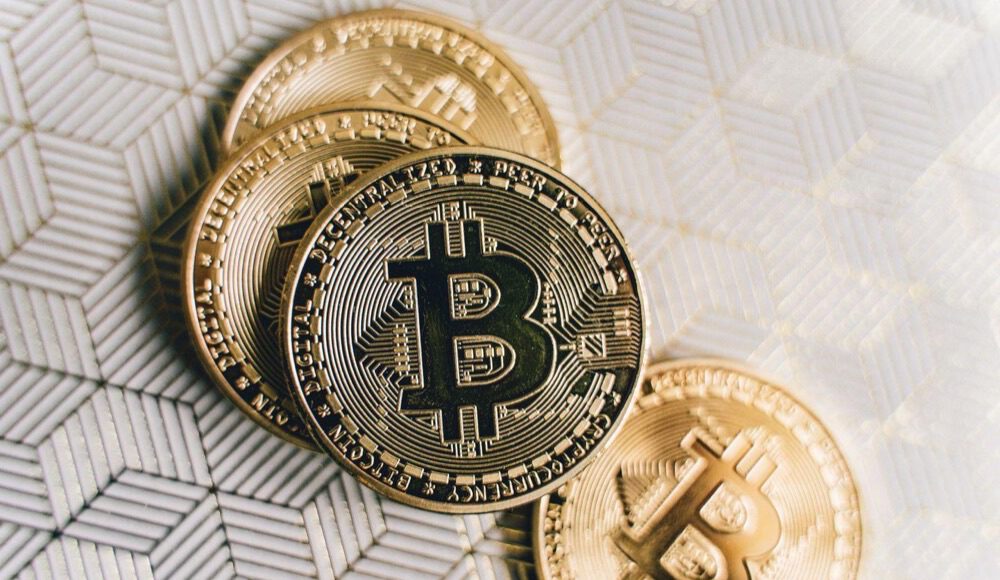
That development arrives while digital assets continue trading through a separate 24-hour system. Binance showed Bitcoin at about $83,458 and Ether near $2,654 on September 28. If you check crypto prices today while comparing investment options on Binance, those numbers come from buyers and sellers meeting through active trading pairs. Market orders take available liquidity, while limit orders wait for a chosen level. Tokenized equities could bring a familiar asset into infrastructure built around this faster style of trading, although the legal claim remains a security rather than a cryptocurrency. The interesting change comes behind the quote. A blockchain-based stock may require new links between trading venues and custodians, while transfer agents still need an authoritative record of ownership.
Settlement Could Become Part of the Trade
Traditional U.S. equities now settle on T+1, which means ownership and cash normally complete one business day after a transaction. Tokenization can shorten some of that sequence because a programmable system can connect the asset transfer with the payment instruction. BIS researchers Jenny Hancock and Amber Wadsworth examined this question in their work on the future of securities settlement. They found that tokenization could reduce some costs and operational complexity, although counterparty risk does not disappear merely because the record lives on a distributed ledger.
The important concept is atomic settlement. In simple terms, the stock and payment can change hands together when both sides meet the required conditions. That reduces the period during which one party has delivered while the other still owes something. The BIS has argued that programmable platforms could combine messaging and reconciliation with settlement instead of passing those jobs between separate systems. Faster completion still creates liquidity demands because buyers need money available at the point of settlement.
DTCC Is Bringing Existing Shares Onchain
This isn't only a proposal from crypto companies. The Depository Trust & Clearing Corporation said in July that it had converted securities held at the Depository Trust Company into digital tokens and used them in production trades. DTCC plans to launch its tokenization service in October 2026. The organization already provides core post-trade infrastructure for U.S. markets, so its involvement puts blockchain technology inside the machinery that records and services conventional investments.
DTCC says assets tokenized through its service will preserve the ownership rights and investor protections attached to securities held in traditional form. That point deserves attention because a digital token is only as valuable as the legal claim attached to it. Earlier in 2026, more than 50 financial firms joined DTCC's working group on the project. DTC custodies assets worth more than $114 trillion, giving the experiment a very different setting from a small blockchain pilot.
Ownership Records Still Need an Authority
A stock brings obligations that Bitcoin does not. Someone has to record who owns the shares and ensure that dividends reach the right account. Voting rights need to follow ownership as well. The SEC's January guidance separates securities tokenized by an issuer from those created by an unaffiliated third party. Those structures can give investors different legal claims even when their market prices track the same underlying company.
That difference becomes practical once you move beyond the purchase. A token that tracks a company's share price isn't automatically the same thing as holding that company's stock. Under the September exemption, eligible tokenized NMS stocks must provide equivalent shareholder rights. The underlying issuer also gets an opportunity to object when an unaffiliated party wants to make its stock available. For an investor in San Jose following technology companies after the closing bell, those details carry more weight than whether an interface happens to look like a crypto app.
Market Hours Could Become Less Definite
One attraction of blockchain markets is that they don't naturally close at 4 p.m. New York time. Crypto assets trade through weekends and holidays, while U.S. equities still rely on defined exchange sessions. Tokenized stocks could extend access, but the SEC exemption keeps links to existing market controls. A Tokenized Securities Venue must stop trading a tokenized stock when the underlying share stops trading on its primary listing exchange.
That condition shows how early this transition remains. Regulators are allowing a different trading mechanism without severing it from the established equity market. SEC Commissioner Mark Uyeda said tokenization could affect issuance and settlement, while ownership records could also move onto new infrastructure. The temporary exemption limits the number of securities and trading volume as the agency observes how the system behaves.
The editorial staff of Metro Silicon Valley was not involved in the creation of this content. The content is for general information and does not constitute the financial, medical or professional advice of this publication. Readers should consult qualified professionals regarding their individual circumstances. Metro Silicon Valley disclaims any liability for loss or damage resulting from reliance on this content.